
Unmanned Weighing System: A Complete Guide
2025-08-27
1. On-Site Equipment & List
On-Site Installation Components
- Information broadcast device
- Indoor image capture camera
- Weight display screen
- Background data collection & processing unit
- Vehicle front-image camera
- Vehicle rear-image camera
- Gate
- Ground induction coil
- Weighbridge (scale body)
- Infrared positioning device
Core System Equipment
- Digital weighing instrument
- Weighing PC
- Printer
- IC card reader
2. Working Process
- Vehicle prepares to enter the weighing lane.
- License plate recognition & IC card reading (captures plate number and card data).
- System receives vehicle info, verifies if the vehicle is eligible for weighing.
- Gate opens automatically (with voice prompt); vehicle drives onto the weighbridge.
- Infrared detectors on both sides of the weighbridge check if the vehicle is fully positioned. Radar/ground induction monitors the vehicle.
- When the weight stabilizes, the system saves weight data; cameras capture images automatically.
- Weight info, license plate, and weight are displayed on the large screen (with voice broadcast).
- System records data, prints weighing slips automatically, and uploads data to the ERP system.
- Gate opens (voice prompt for vehicle to exit); after the vehicle passes, 2# gate closes, and the system resets.
3. Key Features
Automatic weighing control: Green light signals "ready for weighing"; red light prohibits other vehicles from entering during weighing.
Infrared positioning check: If the vehicle is not fully positioned on the weighbridge, the infrared detector triggers a voice prompt: "Hello driver, please drive to the middle of the scale"—weighing is not allowed until corrected.
4. Main Advantages
Cost Reduction
Eliminates the need for weighers and supervisors, cutting labor costs and simplifying enterprise management processes.
Anti-Cheating & Real-Time Monitoring
Integrates license plate recognition, video monitoring, and electronic fence systems to verify weighing eligibility and standards.
Remote real-time monitoring enables information sharing, dynamic supervision, and early warnings—prevents overloading, unauthorized charges, weighing room tampering, and cheating.
Improved Enterprise Efficiency
Solves issues like insufficient staff, manual cheating, inaccurate data, and unsupervised weighing.
Connects to ERP systems to centralize and synchronize production, sales, inbound, and outbound data—speeds up internal information flow and standardizes business operations.
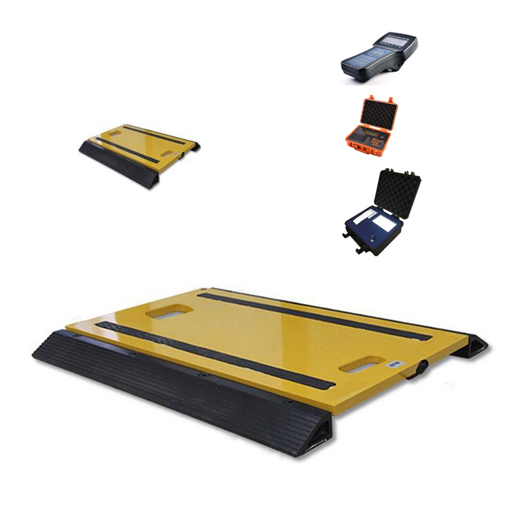
Axle Weighing Scale With Weighing Indicator
Related Article
In fast-developing markets like Southeast Asia and South America, small to medium-sized manufacturers and agricultural producers need weighing systems that are both reliable and cost-effective.
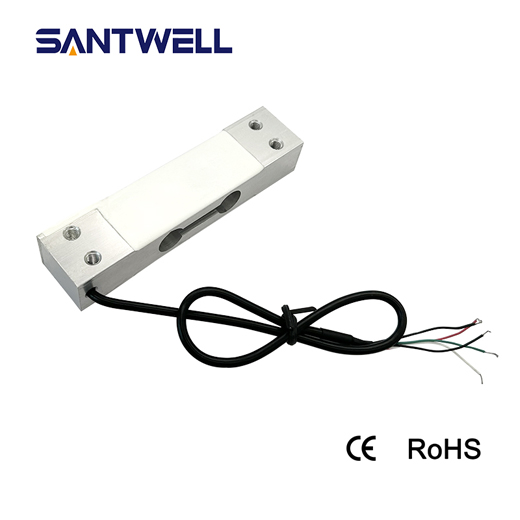
One solution stands out: the Single Point Load Cell.
These compact, high-accuracy sensors are widely used in platform scales, packing machines, checkweighers, and bench scales—making them a versatile option for a variety of industries.
One solution stands out: the Single Point Load Cell.
These compact, high-accuracy sensors are widely used in platform scales, packing machines, checkweighers, and bench scales—making them a versatile option for a variety of industries.
Why Single Point Load Cells Are the Ideal Choice for Weighing Systems in Southeast Asia and South America